|
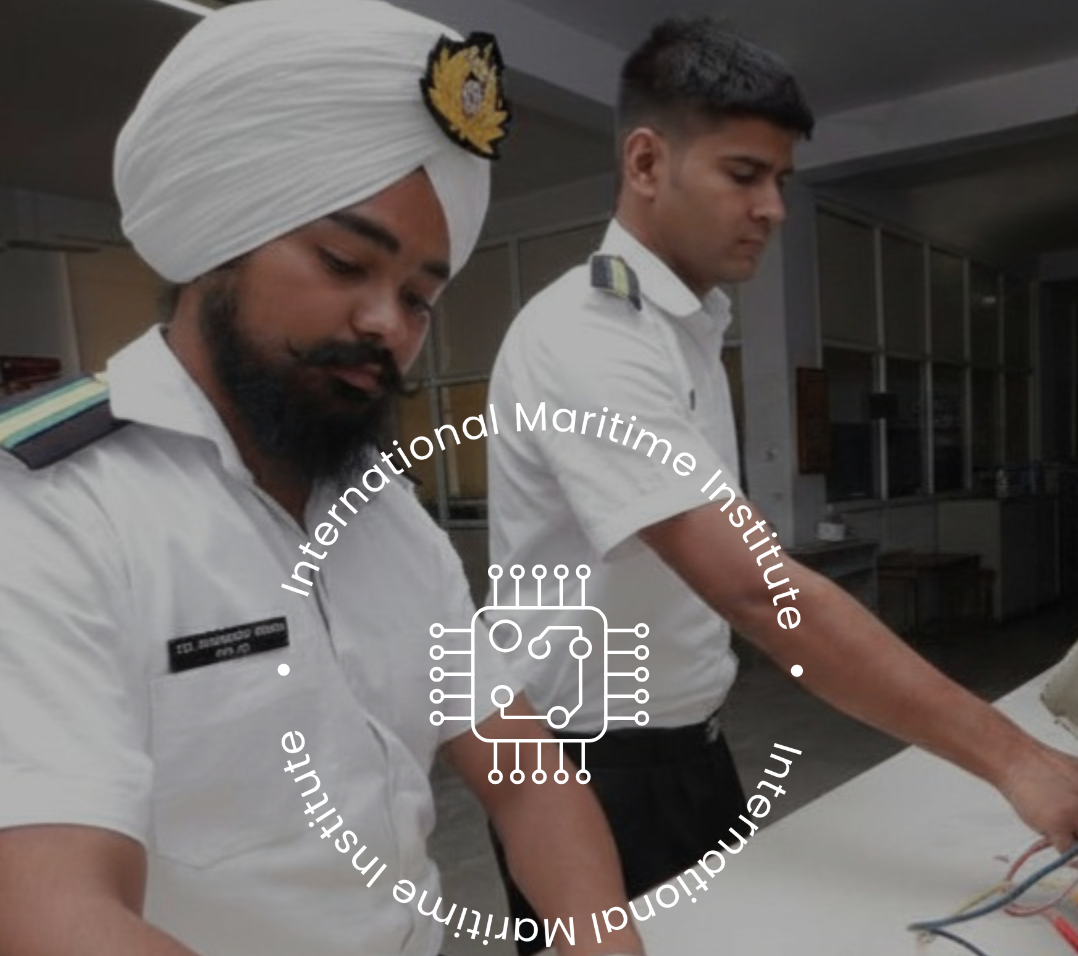
The global shipping industry is becoming increasingly technology-driven, creating strong demand for skilled Electro Technical Officers (ETOs). Modern vessels rely on advanced electrical systems, automation, navigation equipment and digital control technologies, making the ETO one of the most critical technical professionals onboard. For graduates in Electrical or Electronics Engineering, an ETO course offers a direct pathway into the merchant navy, combining technical expertise with global career opportunities. At IMI Greater Noida, the four-month DG Shipping-approved ETO course equips aspiring marine professionals with the practical knowledge and shipboard skills required for a successful career at sea. Through its association with Fleet Management Limited, eligible cadets also undertake six months of onboard training on Fleet vessels, gaining valuable exposure alongside experienced officers and multinational crews. What Does an Electro Technical Officer Do? An Electro Technical Officer (ETO) is responsible for operating, maintaining and troubleshooting a vessel’s electrical and electronic systems to ensure safe and efficient ship operations. Key responsibilities include:
As ships continue to adopt smarter technologies, demand for qualified ETOs continues to rise across the global maritime industry. What Is Covered During an ETO Course? A comprehensive marine electrical officer training programme combines classroom instruction with extensive practical learning. At IMI Greater Noida, cadets receive hands-on training in:
The curriculum bridges the gap between engineering education and real-world shipboard operations, preparing cadets to manage modern vessel systems with confidence. From Classroom Learning to Shipboard Training After completing pre-sea training, cadets progress to the practical phase of their maritime journey. The typical ETO career pathway includes:
During onboard training, cadets gain practical experience by assisting with maintenance routines, troubleshooting equipment, understanding technical documentation and operating in accordance with international safety standards. Career Progression After Becoming an ETO The ETO career path offers structured professional growth with increasing technical responsibilities, both onshore and offshore opportunities. Typical career progression and growth opportunities include:
The technical expertise developed at sea also creates opportunities for rewarding shore-based careers within the maritime industry. ETO Salary and Career Opportunities Interest in merchant navy ETO careers continues to grow due to strong career progression and long-term opportunities. An ETO salary varies depending on several factors, including:
With increasing experience and specialised expertise, ETOs often progress to senior technical and management positions within leading shipping companies. Choosing the Right ETO Training Institute Selecting the right institute is an important step towards building a successful maritime career. While evaluating training institutes, the following factors should be considered:
At IMI Greater Noida, the ETO programme combines industry-focused learning with practical training and six months of onboard exposure through Fleet Management Limited for eligible candidates, helping bridge the transition from classroom learning to shipboard operations. Student Experiences Anjali Chauhan, ETO, Batch 19 “The institute offers an excellent balance of theory and practical learning. The laboratories provide valuable hands-on experience and prepare students well for shipboard electrical systems.” Nandakishor TS, ETO, Batch 19 “The disciplined learning environment, practical training and professional guidance at IMI helped build the confidence and technical skills required for a career at sea.”
|
 IMI Cadets Attend Sagar Samvad 2026
  IMI Celebrates 80th Independence Day with Fervour, Patriotism and Maritime Pride
  B.Tech 22 and DNS 45 Orientation Session at IMI
  Building Resilient Cadets for Successful Maritime Careers
  ETO Career Roadmap: From Campus Training to Shipboard Operations


 VIRTUAL TOUR
 WhatsApp